Italian for Art & Museum lovers: speak about beauty in real Italian
If museums, galleries and historic cities are your natural habitat, your Italian should match the beauty you see.
Italian for Art & Museum Lovers is a personalized 1-to-1 path for curious, cultured adults who want to talk about paintings, architecture and exhibitions in real, elegant Italian – not just order a coffee.
Who this path is for
This course is designed for motivated adults who feel that “basic tourist Italian” is not enough. It is ideal if you are:
an art lover who regularly visits museums and exhibitions in Italy
a frequent traveler to Italy who prefers galleries and churches to shopping malls
an art historian, architect, designer or curator who wants to read and discuss Italian texts
a retired professional or lifelong learner who studies Italian for pure cultural pleasure
someone who already knows some Italian and now wants to speak about art, style and beauty with confidence
You don’t need perfect grammar. You need someone who understands both Italian as a language and art as a world – and can connect the two for you.
What you’ll be able to do in Italian
By the end of your path, you will be able to:
describe a painting or sculpture using precise, rich vocabulary
talk about composition, light, colours, perspective and materials
compare different artists, periods and movements in Italian
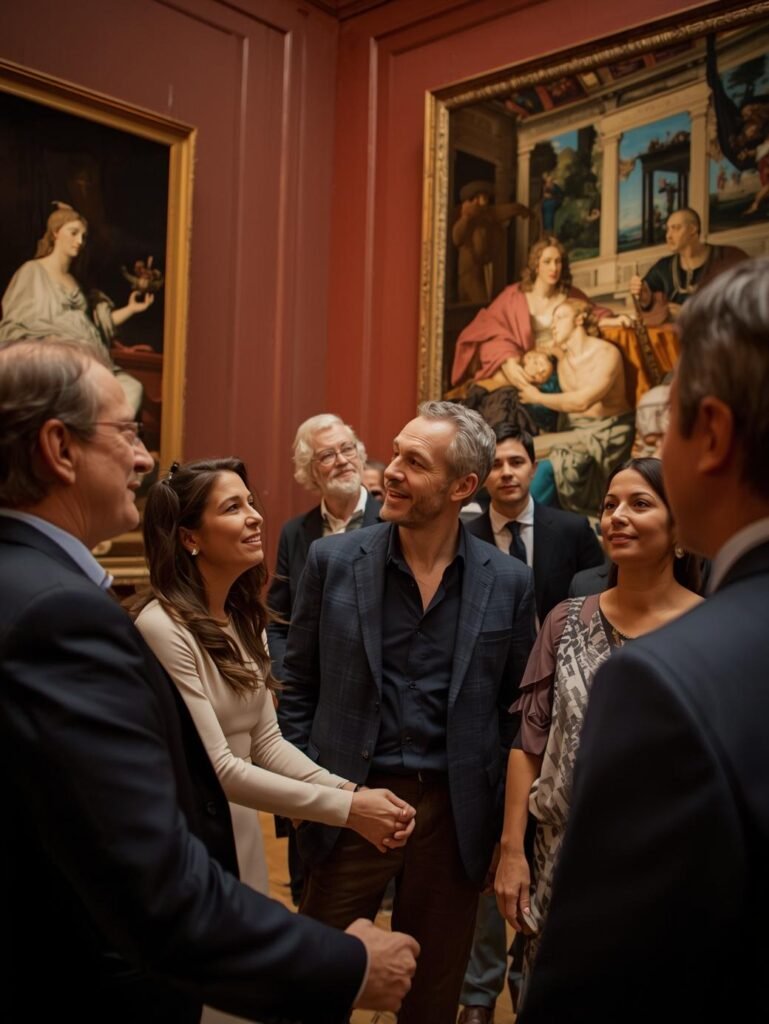
ask intelligent questions during guided tours and museum visits
understand and comment on short art criticism texts, catalog entries or wall labels
express your own taste and opinions in a way that sounds natural and educated, not like a textbook
In other words, you won’t just say “Mi piace questo quadro” – you’ll be able to explain why in nuanced, beautiful Italian.
Topics & Cultural areas we explore
The exact content is tailored to you, but these are some of the themes and periods we often work with:
Renaissance & Baroque
Florence, Rome, Venice: masterpieces and key artists
perspective, composition, chiaroscuro, symbolism
vocabulary to talk about altarpieces, frescoes, portraits, architecture
Modern & Contemporary Art
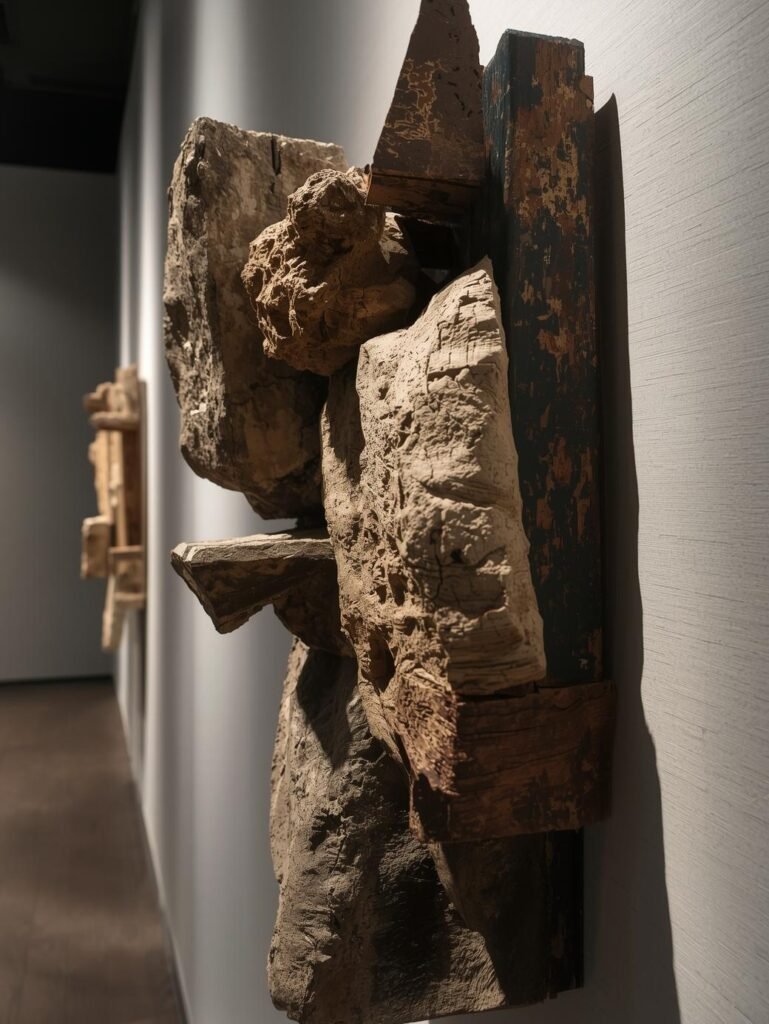
- Futurism, Arte Povera, contemporary galleries
- how to read wall labels and short catalogue texts
- expressing your opinion about installations, performances, conceptual works
Museums, Exhibitions & Urban Heritage
language for guided tours, tickets, practical information
permanent collections vs temporary exhibitions
Italian words and expressions you really see in museums and cultural institutions
We always combine visual materials (images, videos, virtual tours) with authentic Italian texts, so that you practice language in the same context where you’ll actually use it.
How the course works
1-to-1, online, tailored to you
All lessons are live 1-to-1 online, personalized around your level, interests and schedule. There are no standard textbooks. Every meeting is a curated experience based on:
authentic materials: museum websites, catalogues, articles, videos, interviews
communicative activities: guided conversation, role-plays, descriptions, debates
focused grammar: only the structures you really need to speak about art clearly and elegantly
targeted feedback: pronunciation, diction, register and accuracy
We follow a communicative, zero-stress method: you speak from the first minute, but always with support. Our goal is not perfection, but clarity, elegance and confidence.
Levels & Requirements
This path is ideal if you are:
-
A2: you can already manage basic communication and want to start talking about your favourite cities, museums and artworks
-
B1–B2: you want to move beyond tourist Italian and gain cultural vocabulary and better structures
-
C1: you already speak well and now want to refine your style, register and precision in art-related contexts
If you are not sure about your level, you can:
-
take our free placement test
-
book a free trial lesson, where we’ll assess your starting point and design a personalized syllabus for you
Example study paths
Your syllabus is always unique, but these examples show how we can structure your journey:
1. “Italian Through the Museums of Florence” (A2–B1)
- vocabulary for visiting museums, churches and historical buildings
- short texts about Uffizi, Accademia, Santa Croce…
- describing a painting, a sculpture, a chapel in simple but accurate Italian
- practical language for asking information, joining guided tours, talking to locals
2. “Art Criticism B2: From Newspaper Articles to Catalogues”
- reading and analysing short art criticism texts
- learning key expressions to agree, disagree, nuance your opinion
- understanding how verbs and tenses change the perspective on an artwork
- producing short spoken or written reviews in Italian
3. “Italian for Art Professionals” (B2–C1)
- vocabulary for curators, art historians, designers, architects
- talking about projects, exhibitions, collaborations
- preparing a short presentation about your work in Italian
- refining register, politeness strategies and formal language
You can also combine this path with our Personalized Individual Lessons or with the Boost Your Italian program, adding a strong focus on art and museums.
to get to know us better
OUR Team
A team of native experts, ready to guide you on your learning journey.
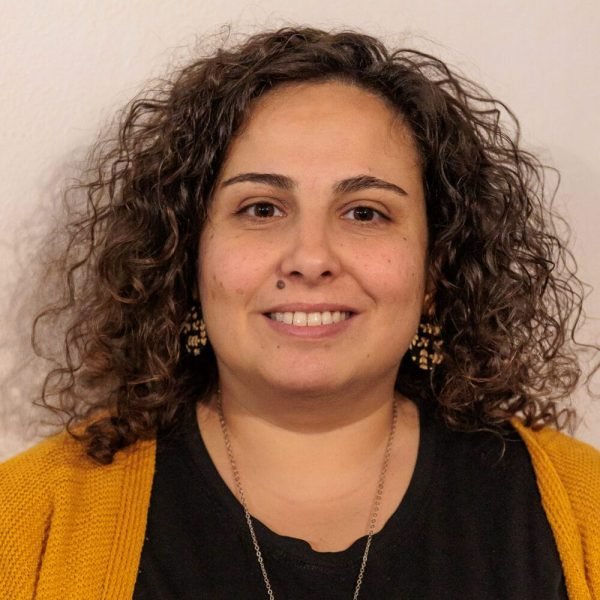
Giusi Deligios
CEDILS Teacher
Guides students into the authentic soul of the Italian language through tailored, cultural-rich, highly engaging courses.
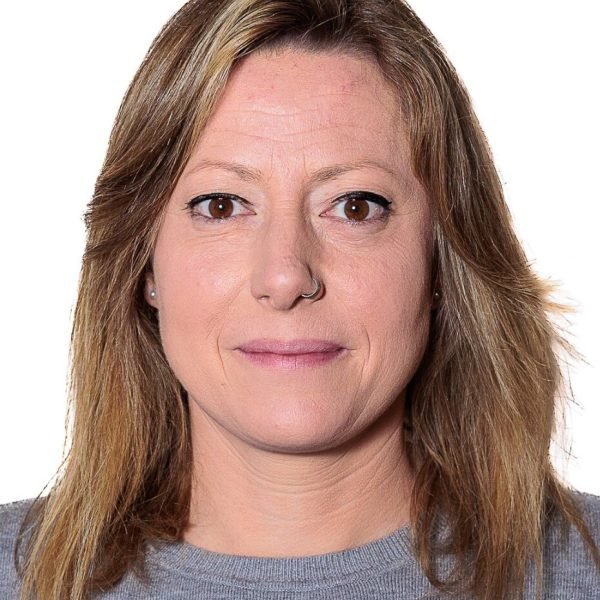
Franci Bizzotto
CEDILS Teacher
Experienced teacher with international background (including teaching in China).
Brings cultural insight and communication mastery to every lesson.
Start with a free trial lesson
The best way to understand if this path is right for you is to meet live.
In a 30-minute free trial lesson we will:
-
talk about your level, goals and interests
-
explore what kind of art and museums you love
-
build a personalized plan based on your time, budget and priorities
-
answer any questions you may have about the method and materials
If Italy is, for you, the country of museums, galleries and beauty, your Italian should reflect that.
Let’s design a path that makes you feel at home not only in front of an artwork – but also in the language around it.